
Last updated October 16, 2026
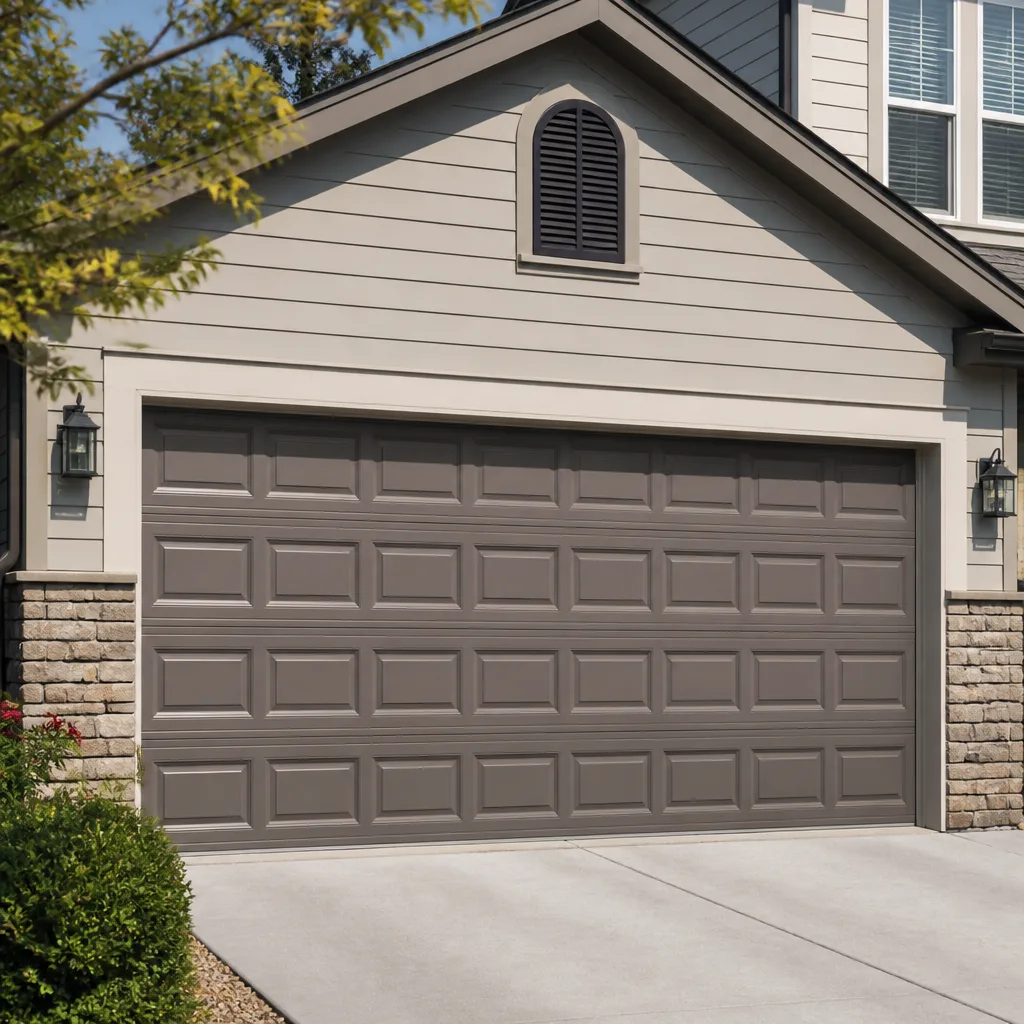 Raised-panel steel
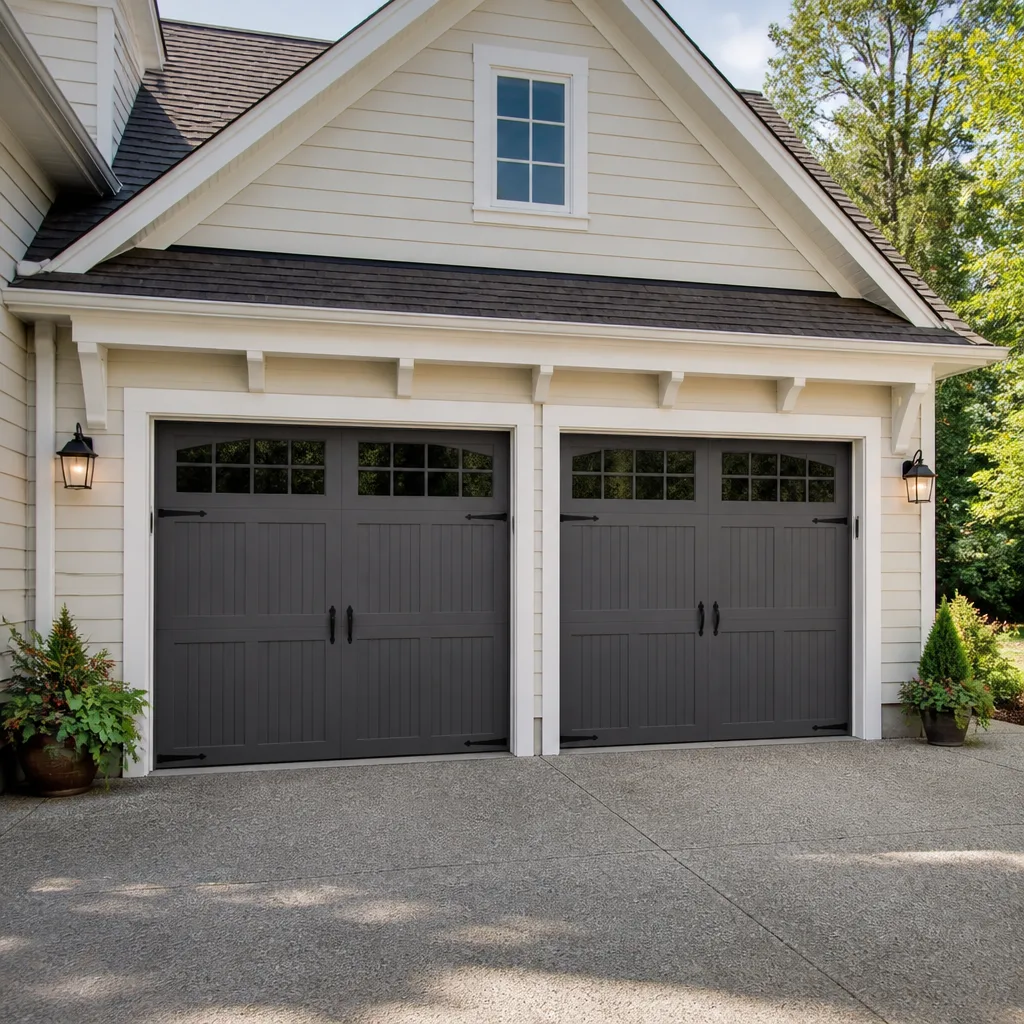 Carriage house
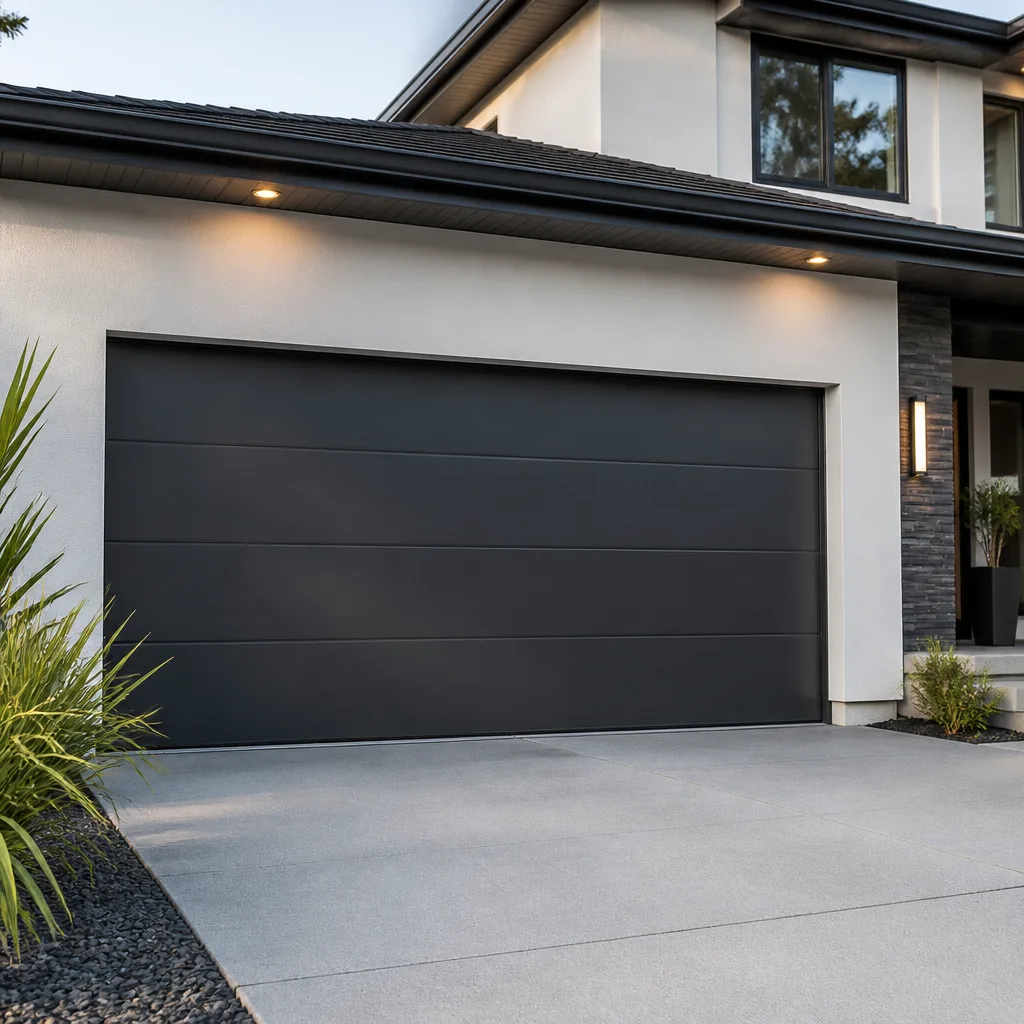 Modern flush
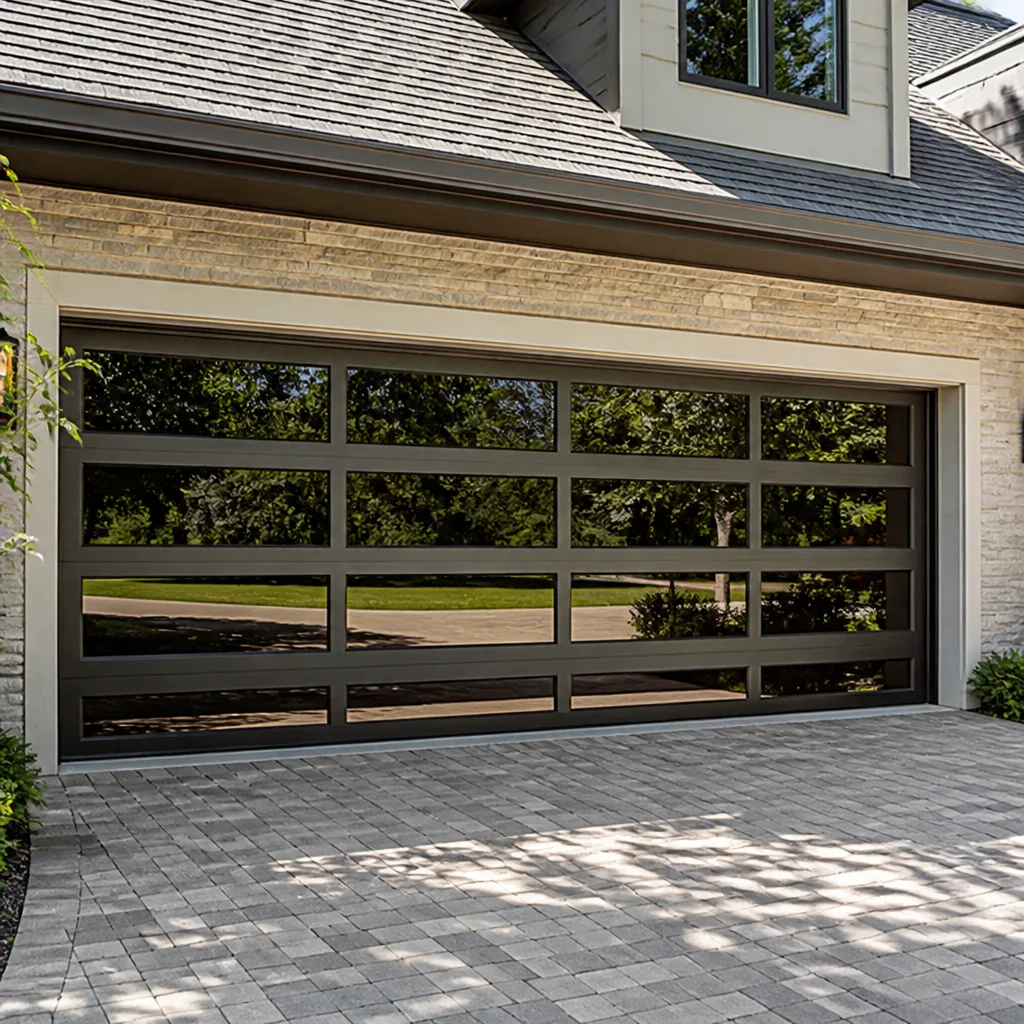 Full-view glass
 LiftMaster openers
 Chamberlain openers
Full 25-point door and opener safety check with every visit - springs, cables, rollers, tracks, and your LiftMaster or Chamberlain opener included
You get a price before we start. It does not change when the truck arrives.
Get your free estimateGarage Door Repair Maintenance Checklist for Atlanta Homeowners
Here’s a number most Atlanta homeowners don’t expect: the single most common garage door service call in April isn’t a broken spring or a snapped cable. It’s a pair of safety sensors coated in pine pollen, blinking at each other like they’ve never met. A 30-second wipe with a dry cloth would have prevented the call, the dispatch fee, and the awkward moment of watching a technician clean a lens you could have cleaned yourself. This checklist is built around what actually fails in Atlanta, in the order it fails, so you can spend 15 minutes a quarter instead of $150 on a preventable service visit.
Quick Answer
A garage door maintenance checklist for Atlanta homeowners means monthly sensor cleaning during pollen season (March through May), quarterly lubrication of rollers, hinges, and springs with lithium or silicone spray, bi-annual auto-reverse and photo-eye testing, and a visual torsion spring inspection every 60 days. Most tasks take under 10 minutes and require zero tools beyond a rag and a can of the right lubricant. Skip the wrong spray, and you’ll destroy the nylon rollers and rubber seals that keep your door quiet.
Styles & brands we work with
Table of Contents
- The Atlanta Seasonal Garage Door Calendar
- Lubrication: What to Spray, What to Never Spray
- How to Test Auto-Reverse Force and Photo-Eye Alignment in Under Two Minutes
- The Torsion Spring Visual Inspection Sequence
- Warranty-Killing Mistakes: What Voids Manufacturer Coverage
- Track, Roller, and Hinge Maintenance
- Weather Seal, Insulation, and Atlanta Humidity
- Where a Professional Fits In: Marlow’s Maintenance Philosophy
The Atlanta Seasonal Garage Door Calendar
Atlanta’s climate punishes garage doors in a specific rhythm. We’ve worked on doors across Buckhead, Decatur, Sandy Springs, and East Atlanta, and the pattern holds: pollen in spring, heat stress in summer, rust acceleration in late summer, and freeze-contraction in January. Here’s the month-by-month task list that actually matches what happens to your door here.
March through May: Pollen Defense Mode
From late March through mid-May, Atlanta’s pine pollen count regularly exceeds 1,500 grains per cubic meter. That yellow dust doesn’t just coat your car. It settles on photo-eye lenses, clings to lubricated tracks, and gums up the chain or belt on your opener. The fix is boring but effective.
- Wipe both photo-eye lenses weekly. The eyes sit about six inches off the ground on either side of the door opening. A dry microfiber cloth works. If pollen has mixed with humidity into a film, use a damp cloth, then dry. Blink codes on LiftMaster, Chamberlain, and Genie openers will tell you the eyes are blocked, but by then the door already refused to close once.
- Check the track channels for pollen paste. Atlanta spring pollen plus morning dew creates a sticky residue inside vertical tracks. Wipe tracks with a dry rag every two weeks during peak season.
- Hold off on fresh lubrication until mid-May. New lubricant applied during pollen peak becomes a magnet for more pollen. Wait until the yellow wave passes, then clean and lube once.
June through August: Heat and Humidity Load
Atlanta summers push garage interiors past 110°F regularly. Metal expands, springs lose a fraction of tension, and nylon rollers wear faster when hot. Humidity above 70 percent accelerates rust on uncoated hardware.
- Inspect torsion springs for surface rust in early June and again in August. Light rust is cosmetic. Flaking or pitting means the metal is degrading and you should budget for replacement before it snaps.
- Listen for new squeaks or grinding. Heat changes tolerances. A door that was quiet in April may start complaining in July. That’s a lubrication signal, not a reason to panic.
- Check the balance manually. Pull the release handle with the door closed, then lift the door by hand to waist height. It should stay put. If it drops, the springs are losing tension in the heat. That’s a garage door spring repair in Atlanta issue, not a maintenance fix.
September through November: Post-Summer Recovery
After a full Atlanta summer, this is when we see the highest rate of preventable failures. The summer heat has done its work, and now the first cool snaps reveal the damage.
- Do a full lubrication pass in late September. All rollers, hinges, the torsion spring coil, and the opener rail. The heat has dried out whatever was applied in spring.
- Test auto-reverse force and photo-eye alignment. Full procedure below. Do it in October and again in January.
- Inspect cables for fraying. Cables live under constant tension. Summer heat and winter cold both strain them. Look for broken strands near the bottom bracket. If you see any, stop using the door and call for garage door cable repair in Atlanta before the door binds.
December through February: Freeze Windows
Atlanta gets maybe a dozen nights below freezing each winter. That’s enough to create problems in a door that was marginal all along.
- Apply a thin silicone layer to the bottom weather seal in early December. This prevents the rubber from freezing to the concrete driveway. A frozen seal is the number-one winter opener strain in Atlanta.
- Test the opener’s force settings in January. Cold makes the door slightly stiffer. If the opener fights the door on the coldest mornings, the force limit needs minor adjustment. That’s a 5-minute job for a tech, and a one-time fix that prevents a burned-out gear.
- Don’t force a frozen door. If the door won’t move on a below-freezing morning, don’t hold the opener button. Find the ice point, usually the bottom seal, and break it gently. Forcing the opener can strip gears or snap a cable.
Lubrication: What to Spray, What to Never Spray
Let’s name the exact products and the exact mistakes, because “lubricate moving parts” is the most useless advice in the home maintenance world. The wrong spray ruins parts. The right spray costs $8 and lasts two years.
Use This
- White lithium grease spray for metal-on-metal contact: hinges, torsion spring coils, and the opener rail on chain-drive units. It clings, doesn’t drip, and holds up to Atlanta summer heat.
- Silicone spray for anything touching nylon, plastic, or rubber: nylon rollers, weather seals, and belt-drive opener rails. Silicone conditions rubber without degrading it.
- Garage-door-specific spray lube (brands like 3-IN-ONE Garage Door Lube or Blaster Garage Door Lubricant) are formulated for overhead door systems and work on both metal and nylon parts. If you want one can that does everything, this is it.
Never Use This
- WD-40. It’s a solvent and water displacer, not a lubricant. It strips existing lubrication, attracts dust, and leaves metal parts effectively dry within days. Using WD-40 on garage door parts is actively worse than doing nothing.
- Grease or motor oil. These collect Atlanta’s pollen and red clay dust into an abrasive paste. What starts as lubrication becomes sandpaper.
- Penetrating oil on rollers. It thins bearing grease inside sealed rollers and shortens their life.
The 10-Minute Lubrication Sequence
- Close the door fully. Pull the release handle to disconnect the opener so you can move the door by hand.
- Spray each hinge pivot point, both sides of the door. One short burst per hinge. Wipe excess with a rag.
- Spray the torsion spring coil. Run a continuous thin line of lithium grease along the top of the spring while the door is closed. Do not soak it; a light coat is correct.
- Spray each roller at the bearing, not the wheel surface. If you have nylon rollers, use silicone only.
- Spray the opener rail (chain or belt) with lithium or silicone, whichever matches your drive type.
- Wipe the tracks clean. Do not lubricate tracks. The rollers don’t roll on the track the way a train rolls on rails; they guide against it. Lubricated tracks collect pollen and dust and make the door noisier.
- Reconnect the opener, run the door up and down twice, and wipe any drips from the bottom panel.
How to Test Auto-Reverse Force and Photo-Eye Alignment in Under Two Minutes
Since 1993, federal law has required every garage door opener installed in the U.S. to reverse on contact with an object and to reverse when the photo-eye beam is broken. Many Atlanta homes have openers that predate 1993, and many newer openers have drifted out of adjustment. You can test both safety systems without tools in about two minutes.
Photo-Eye Alignment Test
- Close the door completely.
- Look at both photo-eye sensors, the small boxes mounted about six inches off the ground on either side of the door track. Each has a small LED light.
- Both LEDs should be solid, not blinking. A blinking light means the beam is misaligned or blocked.
- If one is blinking, wipe both lenses with a dry cloth first. Atlanta pollen and dust are the most common culprit.
- If it’s still blinking after cleaning, gently nudge the sensor bracket until the light goes solid. They’re held by wing nuts that loosen over time.
- Test by opening the door, then pressing the close button. Wave your hand through the beam at ankle height midway through closing. The door should immediately reverse to full open.
Auto-Reverse Force Test
- Place a roll of paper towels or a 2×4 flat on the ground in the center of the door opening.
- Close the door with the opener.
- The door should reverse within two seconds of contacting the object and return to fully open.
- If it crushes the paper towels or hesitates before reversing, the force setting is too high. This is a safety hazard that we correct as part of any garage door repair in Atlanta visit, and it’s the first thing we check when a customer reports a door closing on a car bumper.
Run both tests every six months. Put a recurring reminder in your phone for the first weekend of October and the first weekend of April. The whole sequence takes under five minutes including the time to find a paper towel roll.
The Torsion Spring Visual Inspection Sequence
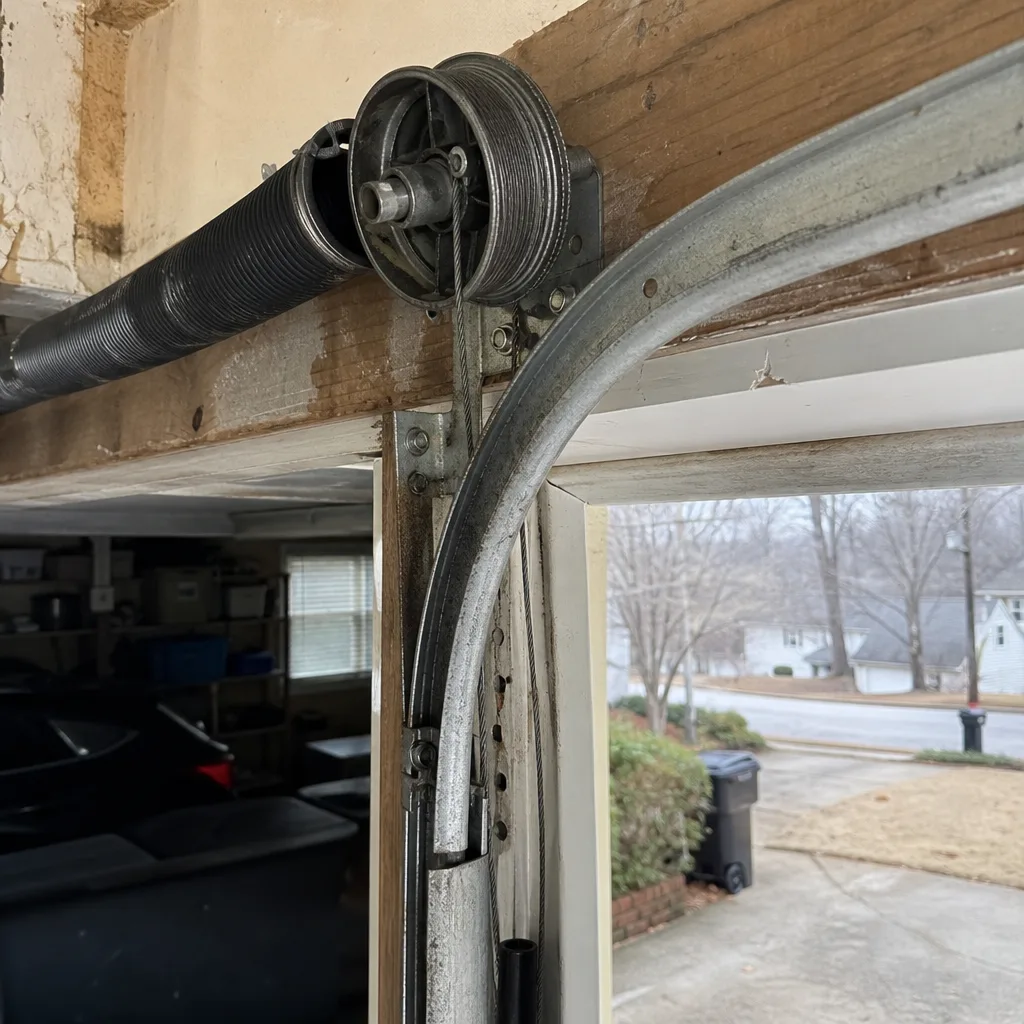
The torsion spring, the horizontal coil mounted above your door, does most of the lifting on every cycle. Most torsion springs last 7 to 12 years in Atlanta, but the failure is usually predictable if you know what to look for. This inspection tells you whether you have three months or three years left.
Step One: Look for a Gap in the Coil
Stand inside the garage with the door closed. Look directly at the torsion spring. A healthy spring is one continuous coil with tight, even spacing between turns. If you see a visible gap anywhere in the coil, the spring has already snapped or is on the verge. A torsion spring with a gap is not a maintenance item. It’s a replacement, and it’s dangerous to keep operating the door. Call a professional. Do not attempt to adjust or remove a torsion spring yourself. The stored tension in a wound spring can release with enough force to cause serious injury.
Step Two: Check for Rust and Pitting
Surface rust is common on older Atlanta springs, especially in uninsulated garages where summer humidity sits against bare steel. Light, even rust is cosmetic. Deep pitting or flaking is not. If the metal surface looks pitted like an orange peel, the spring has lost material and is closer to failure than its age suggests.
Step Three: Check for Coil Spacing Inconsistency
Run your eye along the length of the spring. The spacing between coils should be uniform. If you see a section where the coils look stretched apart or compressed together, that section of the spring is fatiguing unevenly. In our experience across Atlanta, a spring with uneven coil spacing typically fails within 12 to 18 months of first visible distortion.
Step Four: Count the Cycles, Not the Years
Garage door springs are rated in cycles, not years. A standard spring is rated for 10,000 cycles. A door used four times a day hits that in about seven years. If you park in the garage and use the door as the primary entrance, you’re using it six to ten times a day, which means 10,000 cycles in three to five years. When you replace springs, ask for high-cycle springs rated for 25,000 or more cycles. They cost $40 to $80 more and last more than twice as long in a high-use Atlanta household.
Spring replacement in the Atlanta market typically runs $150 to $290 per spring, depending on spring type and door weight. You’ll see the exact written number before any work starts, which is how we operate and how any professional should. If you spot any of the warning signs above, budget for replacement now rather than waiting for the snap. A snapped torsion spring in the open position means your door won’t close, and in Atlanta that often happens on a Friday evening.
Warranty-Killing Mistakes: What Voids Manufacturer Coverage
Manufacturer warranties on garage doors and openers are not unconditional. Amarr, Wayne Dalton, Craftsman, and Raynor all publish warranty terms that exclude specific types of user damage, and some Atlanta homeowners find out too late that their “lifetime warranty” died from a maintenance mistake. Here’s what actually voids coverage.
- Using the wrong lubricant. Wayne Dalton’s warranty documentation specifically excludes damage caused by improper lubrication, including WD-40 and petroleum-based greases on nylon components. Amarr’s warranty has similar language. If a nylon roller melts or a seal degrades and the tech finds WD-40 residue, the claim is denied.
- Adjusting or replacing torsion springs yourself. Every major manufacturer voids the door warranty if springs are installed or adjusted by someone who isn’t qualified. The warranty is tied to proper tension and installation. A DIY spring job is the fastest way to destroy a door warranty and risk injury.
- Modifying the door structure. Cutting panels, changing the door’s weight by adding insulation not designed for the door, or drilling into the panel for shelving brackets all void structural warranties from Amarr and Raynor.
- Skipping required maintenance. Some extended warranty agreements require documented annual inspection. If you can’t show records and a failure occurs that maintenance would have caught, the manufacturer declines the claim.
- Using non-compatible opener force. If an opener with force settings too high for the door damages panels, the door warranty doesn’t cover it. The auto-reverse test above isn’t just safety; it’s warranty protection.
- Ignoring rust on springs. Craftsman and Raynor warranties exclude rust-related spring failure. Rust is considered environmental, not a defect. That’s why the seasonal rust inspection in this checklist matters for your wallet as much as your door.
Track, Roller, and Hinge Maintenance
The track and roller system determines whether your door sounds like a library shelf or a freight train. Atlanta’s red clay dust and pollen season make this system dirtier than in most markets.
Track Inspection
Vertical tracks are bolted to the wall. Horizontal tracks hang from the ceiling. Twice a year, run your eye along both tracks looking for three things: loose bolts, track misalignment, and visible bends or dents. In Atlanta, humidity causes garage framing to swell and shift slightly, which can pull tracks out of parallel. If the gap between the door edge and the track changes noticeably from top to bottom, the track has shifted and should be re-aligned before roller wear accelerates.
Do not attempt to bend or adjust tracks yourself. Track work requires releasing tension properly and re-hanging hardware under load. This is professional work, not a homeowner task.
Roller Inspection
Most modern doors in Atlanta use nylon rollers with sealed ball bearings. These last 10 to 15 years. Older doors have steel rollers without bearings; steel-on-steel rollers wear faster and are noisier. Inspect each roller twice a year.
- Look for cracking or chunking on nylon wheels. When a nylon roller starts to shed material, it’s done.
- Look for a wobble. A roller that doesn’t track straight inside the channel is either worn or the track is out of alignment.
- Listen on the next cycle. A rhythmic clicking as the door moves usually means a specific roller bearing is failing. Which roller? Stand inside and follow the sound.
Replacing rollers is a moderately skilled job. The bottom two rollers on a sectional door are under cable tension and should only be replaced by a professional. The middle rollers are safe to swap as a homeowner task, but if you’re not comfortable, it’s a quick service call.
Hinge Inspection
Sectional garage doors have hinges connecting each panel, and the hinges bear the load every time the door bends around the track curve. Inspect hinges quarterly for cracks, especially at the screw holes. Loose hinge screws cause the door to flex under its own weight, which leads to panel cracking. Tighten any loose hinge screws with a socket wrench. If a hinge is cracked, replace it before it fails completely. A broken hinge under load can damage the panel it’s attached to, and replacing a panel costs more than replacing every hinge on the door combined.
Weather Seal, Insulation, and Atlanta Humidity
Atlanta’s climate makes the bottom weather seal a wear item, not a set-and-forget part. Summer UV exposure hardens the rubber. Winter freezes bond it to the concrete. And heavy rain pooling at the garage threshold will find any gap and bring water, leaves, and occasionally an ambitious ant colony into the garage.
Bottom Seal Inspection
Close the door and look at the threshold from inside the garage on a sunny day. If you can see light under the seal, water and pests can get in. Run your hand along the seal twice a year; a healthy seal is flexible. If it feels stiff, cracked, or flat in sections, it’s time to replace it. Seal replacement is one of the cheapest maintenance items at $40 to $90 for the part, and it pays for itself in a single season of lower humidity and fewer bugs in your garage. Atlanta summer thunderstorms routinely drop an inch of rain in 30 minutes, and a failed bottom seal means that water finds your stored boxes before you notice.
Insulation in Atlanta’s Climate
An insulated garage door matters more in Atlanta than people assume. The issue isn’t winter cold; it’s summer heat. An uninsulated steel door becomes a radiant heater in July, pushing garage temperatures past 120°F and bleeding heat into any room above or beside the garage. The R-value on your door tells you the insulation level. R-6 is the minimum for a steel sandwich door; R-12 to R-18 makes a measurable difference in a finished garage or one under living space. Amarr and Wayne Dalton both make doors in these ranges specifically for Southeast climate zones. If your door is original to a pre-2000 home, it’s likely uninsulated or minimally insulated, and replacement is the only real fix. Adding aftermarket insulation panels to an uninsulated door works but changes the door’s weight, which means the springs need re-tensioning. That’s not a homeowner job.
Where a Professional Fits In: Marlow’s Maintenance Philosophy
Here’s our honest position on professional maintenance: most of what’s in this checklist is designed for you to do yourself, because a homeowner who knows what a torsion spring should look like is a better customer and a safer one. But some tasks are genuinely professional work, and pretending otherwise gets people hurt or costs them money.
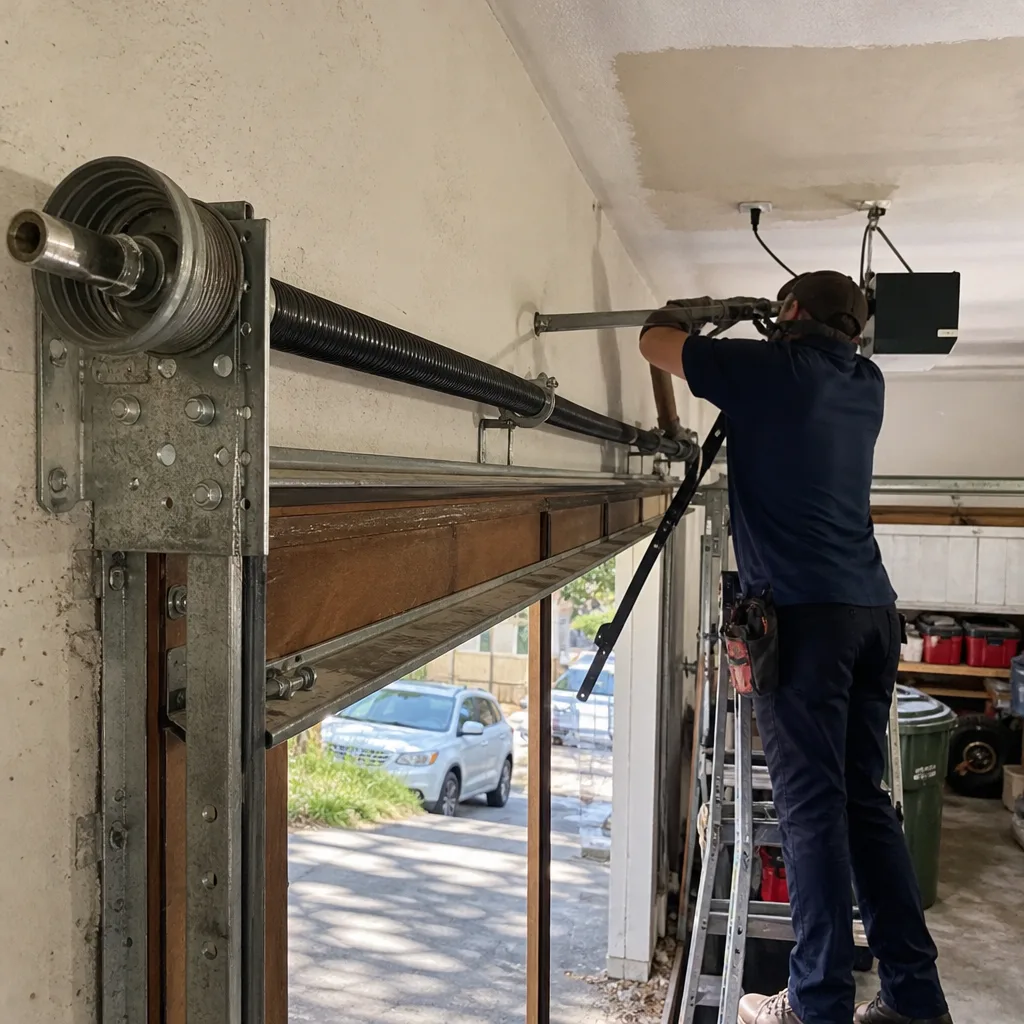
Tasks you should never do yourself: torsion spring adjustment or replacement, cable replacement, track re-alignment, and anything involving the bottom roller brackets under tension. The stored energy in a wound torsion spring is enough to break bone. The cables are under equal tension. When we train our techs at Marlow Garage Door Repair Atlanta home, the first lesson is that tension isn’t visible, and invisible forces are the dangerous ones.
If you’d rather have a professional handle the full checklist, we do seasonal maintenance inspections across the Atlanta metro. Here’s how that works with us: you book online, you get a live arrival window you can track, a background-checked tech shows up in uniform, and you get a written price for any recommended work before a single wrench turns. If the repair isn’t right, the 365-Day Done Right Promise means we come back and make it right at no cost, for a full year. That’s not a limited warranty with exclusions; it’s the standard on every job we do.
For homeowners who want to do the checklist themselves but get a professional baseline once a year, an annual inspection from us typically covers the torsion springs, cables, rollers, hinges, tracks, opener force settings, photo-eye alignment, and bottom seal. Most inspections take under an hour, and we provide a written condition report you can keep for warranty documentation.
Common Mistakes to Avoid
- Using WD-40 on rollers and hinges. It strips lubricant and leaves metal parts dry within days. In Atlanta’s dust and pollen, WD-40 on a garage door turns into a sticky mess that accelerates wear.
- Cleaning sensors only when the door stops working. By the time the door refuses to close, the pollen has been building for weeks. Weekly wipe-downs during spring pollen season prevent the failure entirely.
- Lubricating the tracks. Tracks should be clean and dry. Lubricated tracks collect Atlanta red clay dust into an abrasive slurry that wears rollers and makes the door louder.
- Ignoring a rusty torsion spring. Rust is environmental, not covered by warranty, and it’s a signal the spring is aging faster than its cycle rating. Remove it or budget for replacement.
- Forcing a frozen door in January. Atlanta’s freeze windows are short but real. Holding the opener button on a frozen door strains the gear, stresses cables, and can burn out the motor. Break the ice at the bottom seal gently instead.
- Skipping the auto-reverse test because “the door has always worked.” Force settings drift over years, and a door that crushes a paper towel roll will stop a child’s bike but not a child. Test twice a year.
- Doing spring or cable work yourself. YouTube makes it look simple. The stored tension is not. Every year in the U.S., people are seriously injured by DIY torsion spring work. This is the one area where “just call someone” is the only right answer.
See the difference
 Before
 After
After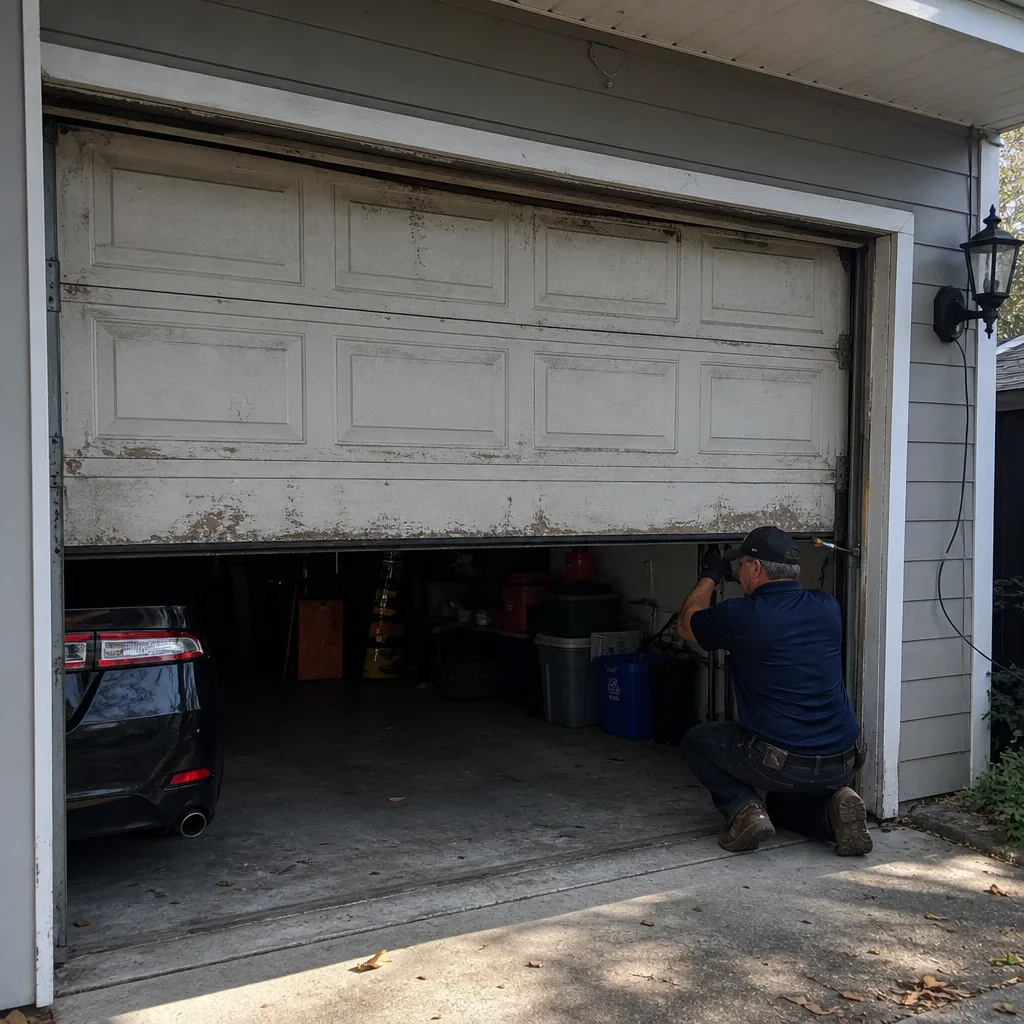 Before
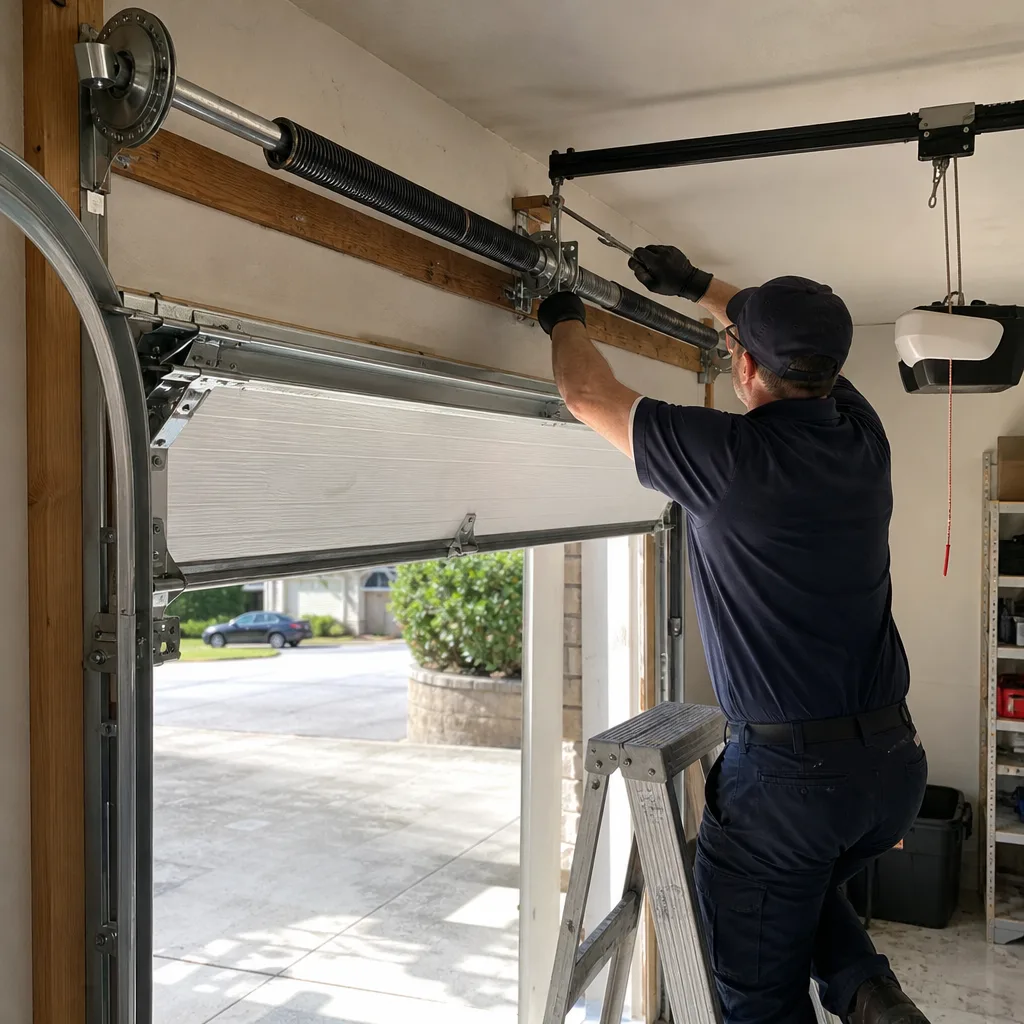 After
After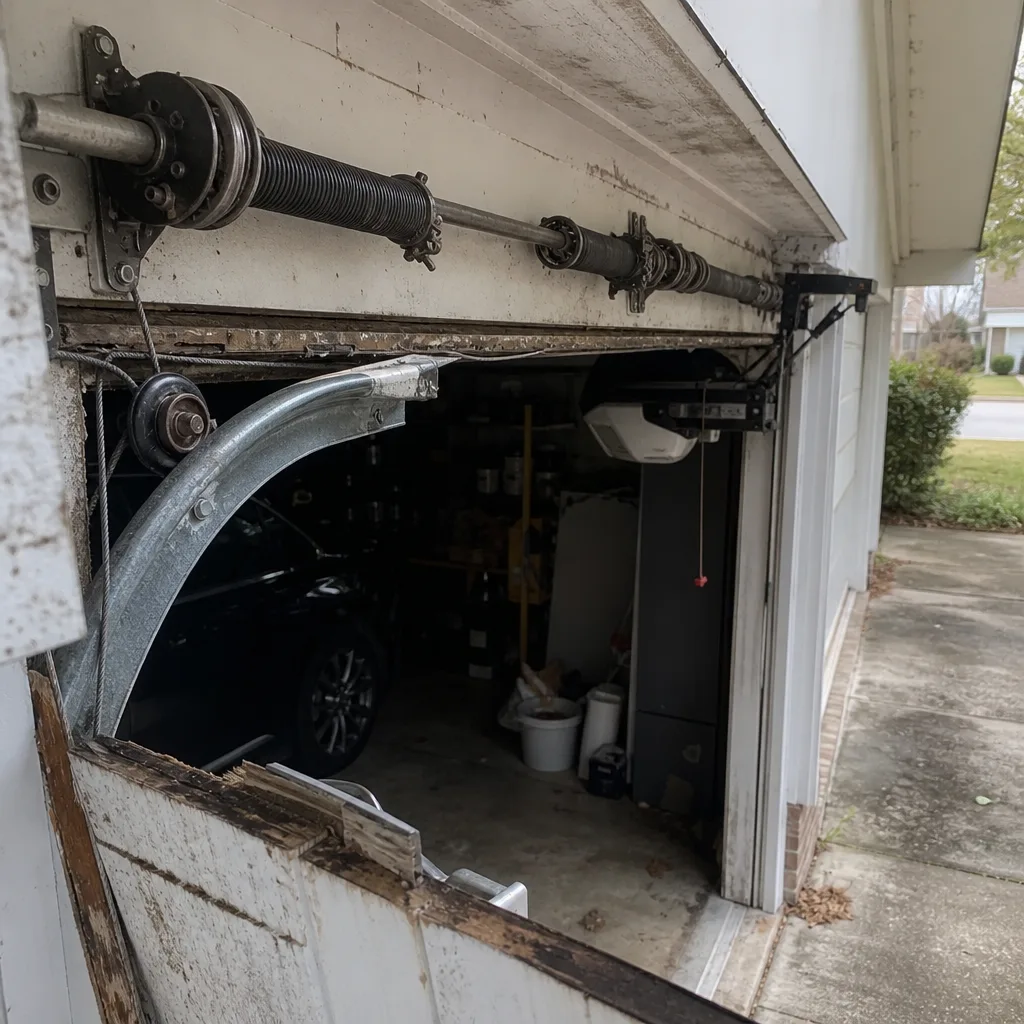 Before
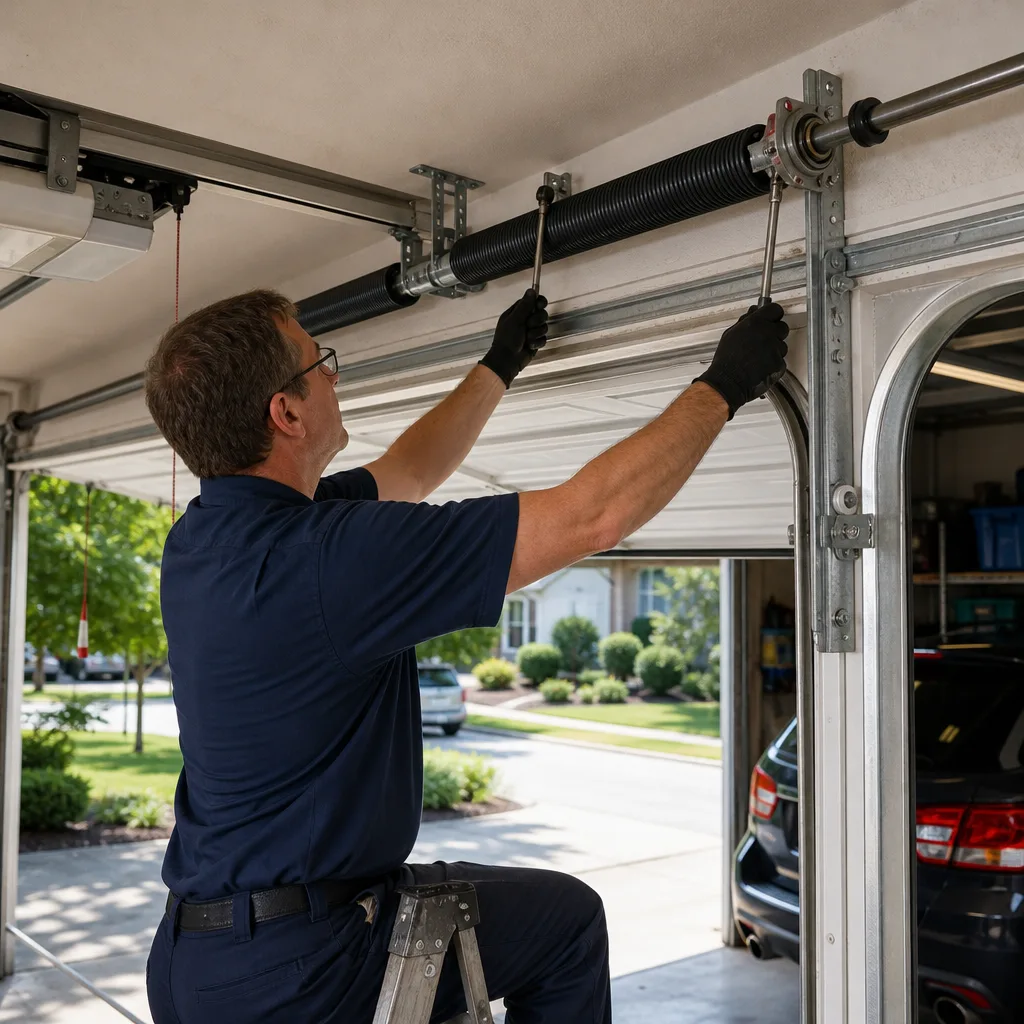 After
AfterWhen to Call a Professional
If you see a visible gap in a torsion spring coil, stop using the door immediately and call for service. If a cable is fraying or has come off the drum, same rule: stop and call. If your door has shifted out of level, if panels are cracking at hinge points, or if the opener reverses intermittently with nothing in the path, these are professional diagnostics. And if you’ve never had a maintenance inspection and your door is over ten years old, a baseline check is the cheapest insurance against a Friday-night failure. Marlow Garage Door Repair Atlanta offers free estimates across Atlanta and the surrounding metro. Call (762) 230-6145 and a live person answers, day or night. We’ll give you a written price before any work begins, and every repair carries the 365-Day Done Right Promise in writing.
Frequently Asked Questions
A professional maintenance inspection in Atlanta typically runs $75 to $150, depending on the scope and whether any lubrication or minor adjustments are included. Spring replacement typically runs $150 to $290 per spring, and roller replacement runs $8 to $20 per roller in labor and parts. The DIY version costs about $10 for a can of proper lubricant and 15 minutes per quarter. Call (762) 230-6145 for an exact quote on professional maintenance from Marlow, and you’ll get a written price before we start.
No, and this is the question we hear most from Atlanta homeowners who’ve been burned before. We give you a written price before any work begins, and the number on the invoice matches the number you agreed to. If the technician finds an additional issue during the job, you’ll get a separate written quote for that work before anything else is done. You approve it, or you don’t. The price never changes without your explicit agreement.
Yes. Our trucks carry standard and high-cycle torsion springs, extension springs, cables, rollers, hinges, bottom seals, and common opener parts across all eight brands we service: LiftMaster, Chamberlain, Genie, Clopay, Amarr, Wayne Dalton, Craftsman, and Raynor. Most common repairs in Atlanta are completed same-visit. For less common parts or specialty door colors, we’ll quote you a timeline before you commit to anything.
For maintenance inspections, we typically schedule within 24 to 48 hours, not same-day, because a proper inspection is measured work, not a rushed stop. For broken springs, snapped cables, or a door that won’t open or close, we prioritize same-day service across the Atlanta metro. Call (762) 230-6145 and a live person will tell you the next available window.
Lubrication helps if the noise is coming from dry hinges, dry springs, or a dry opener rail. It does nothing for worn rollers with failed bearings, a misaligned track, or a door that’s out of balance. If you lubricate properly and the door is still noisy, the problem is mechanical, not friction. That’s worth a professional look before the underlying issue damages the door.
The full lubrication and inspection sequence should happen every 90 days in a typical Atlanta household, with sensor wipe-downs weekly during March through May pollen season. If you use your garage as your primary entrance, the 90-day rhythm matters more because you’re putting 10,000 to 15,000 cycles a year on your springs, which is more than double the national average for homes that park in the driveway and use the door occasionally.
The Bottom Line
Garage door maintenance in Atlanta is not about doing everything; it’s about doing the right things at the right times. Wipe the pollen off your photo-eyes weekly in spring. Lubricate with lithium or silicone quarterly, and never with WD-40. Test your auto-reverse and photo-eye alignment every six months. Look at your torsion springs for gaps, rust, and uneven coil spacing every 60 days. Replace weather seals before they crack, and never touch anything under spring or cable tension yourself. Fifteen minutes a quarter prevents almost every call we get. When it’s beyond maintenance, garage door repair in Atlanta is a phone call away. When a spring lets go, garage door spring repair in Atlanta is our most common same-day service. And when a cable frays, garage door cable repair in Atlanta is the fix that keeps the door from binding against the track. You’ll get a written price before any wrench turns, a live tracking window for your tech, and a full year of coverage on every repair we make.
Written by Jaylen Ross, Owner at Marlow Garage Door Repair Atlanta, serving Atlanta since 2002.