
Last updated October 16, 2026
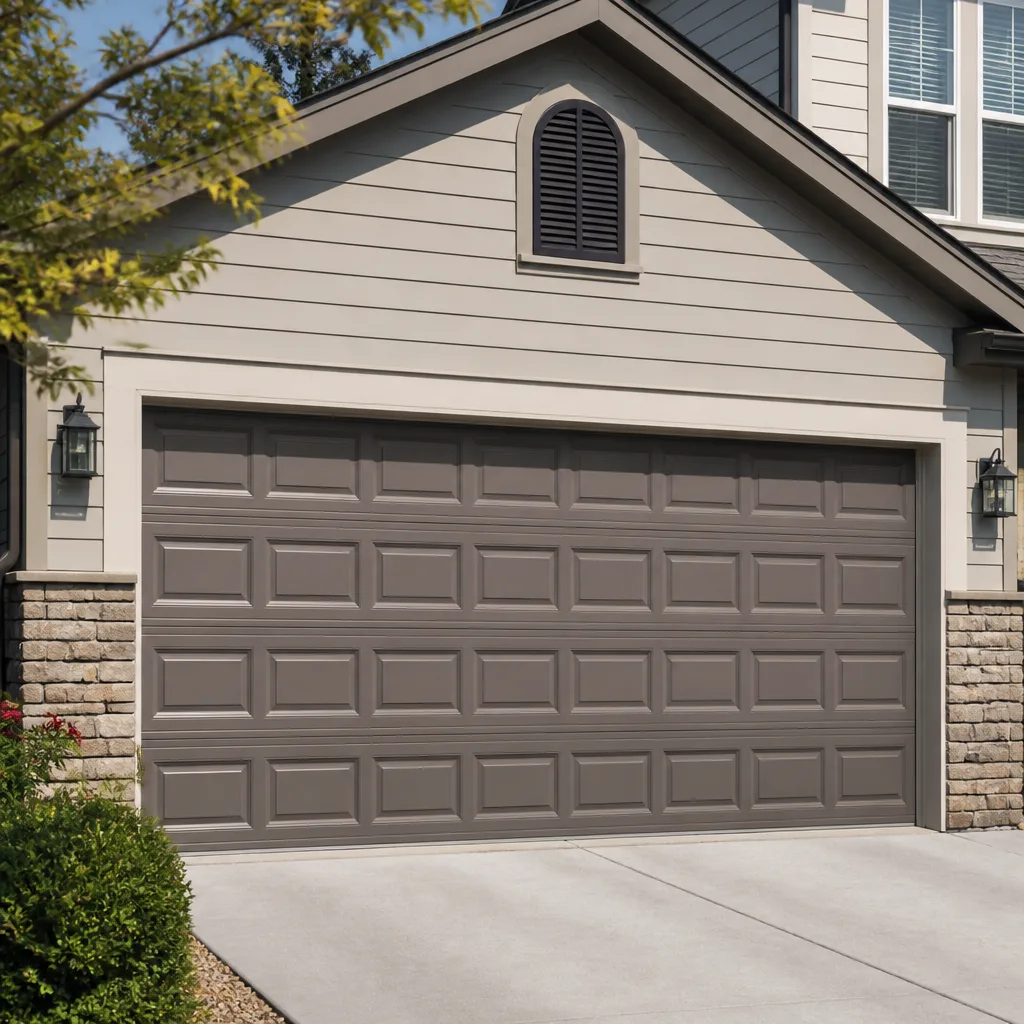 Raised-panel steel
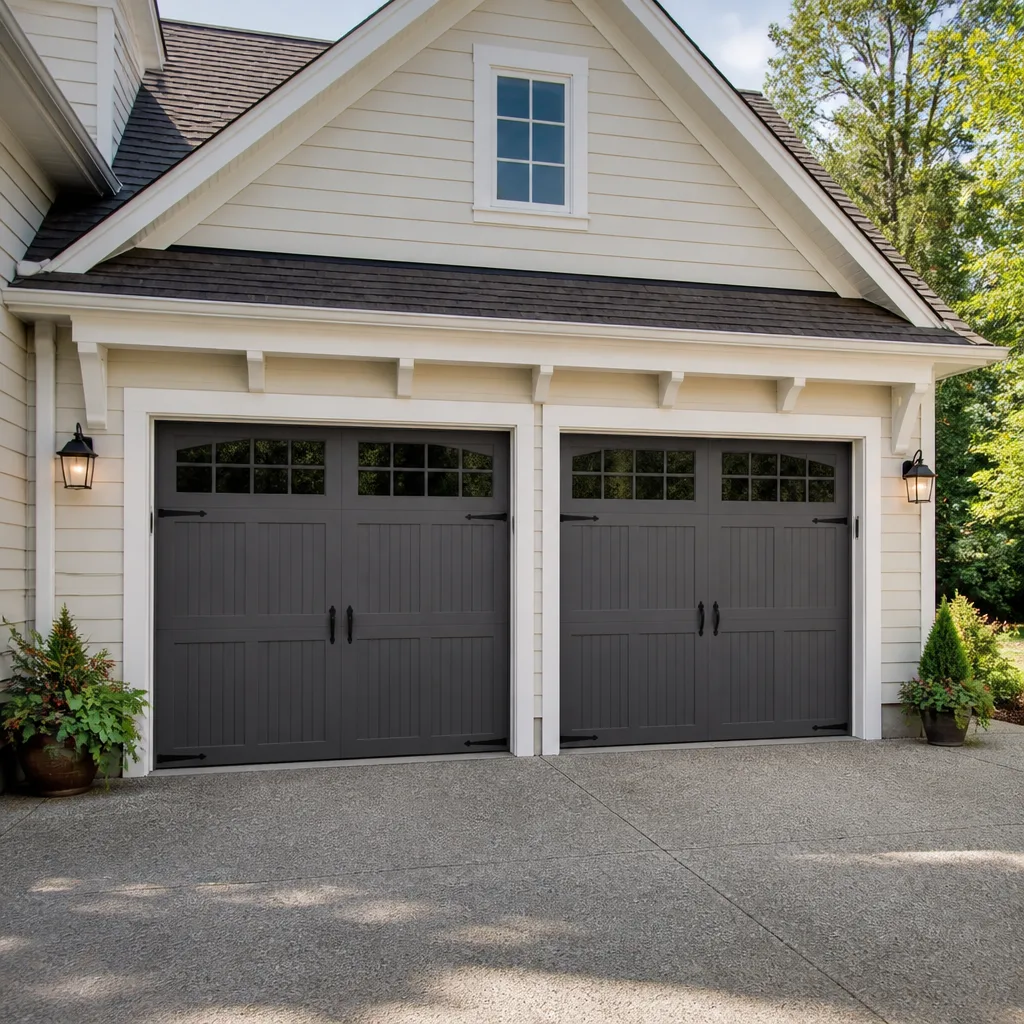 Carriage house
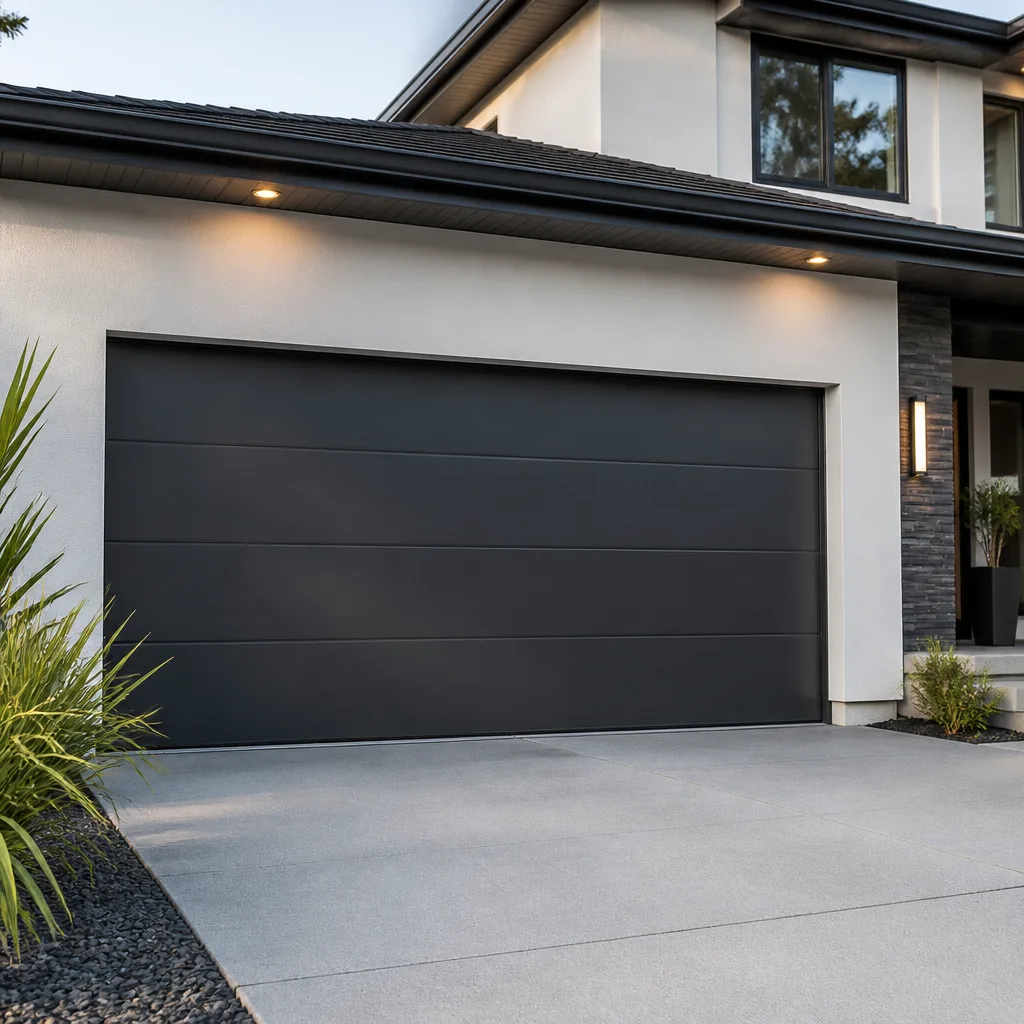 Modern flush
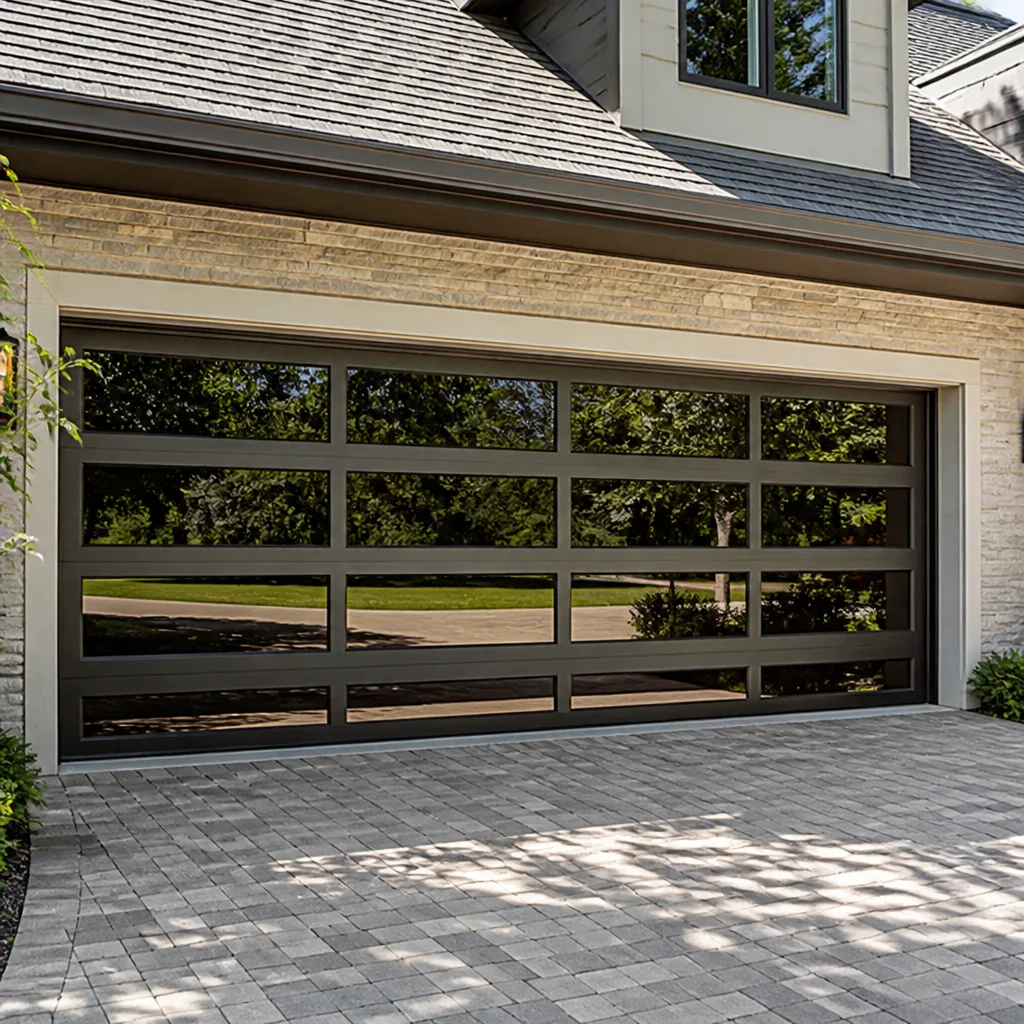 Full-view glass
 LiftMaster openers
 Chamberlain openers
Full 25-point door and opener safety check with every visit - springs, cables, rollers, tracks, and your LiftMaster or Chamberlain opener included
You get a price before we start. It does not change when the truck arrives.
Get your free estimateGarage Door Permits, Codes & Inspections in GA: What You Need to Know
Most Atlanta homeowners don’t realize their garage door replacement could require a permit until closing day, when a title search or insurance claim flags the work and the deal stalls. A door that was swapped out five years ago can suddenly become a $150 to $800 headache, a delayed closing, or a denied insurance payout. In our experience across the metro area, roughly a third of the doors we get called to inspect were installed without the proper paperwork simply because the contractor never mentioned it. This guide covers exactly when Georgia and the counties around Atlanta require a permit, what an inspector actually looks for, how HOA covenants layer on top of city code, and how to protect yourself before and after the job. For more guides & resources, visit our blog.
Quick Answer
Most garage door replacements and installations in Georgia require a building permit through your county or city building department, though a same-size swap of an existing door in some jurisdictions may qualify as a minor repair that skips the permit process. In metro Atlanta, permit rules vary by county: Fulton, DeKalb, Cobb, and Gwinnett all treat new installations and structural modifications as permit-required work, while simple part replacements like springs or cables on an existing door typically don’t need one. The best way to know for certain is a two-minute call to your local building department, because the rules genuinely differ from one city to the next, and no website can replace that verification.
Styles & brands we work with
Table of Contents
- When a Permit Is Required in Georgia
- County-by-County Rules Around Atlanta
- How HOA Covenants Stack on Top of City Code
- What a Garage Door Inspection Checks
- The Insurance Risk of Unpermitted Work
- How to Verify Your Contractor Actually Pulled the Permit
- Common Mistakes to Avoid
- When to Call a Professional
When a Permit Is Required in Georgia
Georgia building codes, anchored by the International Residential Code (IRC) that the state adopts and amends, treat a garage door as a structural component of the home, not a cosmetic accessory. That means any work that removes or changes the framing around the opening, widens the opening, or installs a door where none existed before triggers a building permit requirement in nearly every jurisdiction in the state. A same-size replacement of an existing door often falls into a gray zone that each county interprets a little differently, but the rule of thumb we tell Atlanta homeowners is this: if the job involves anything beyond unbolting the old door and hanging a new one in the same rough opening, you should assume a permit applies.
The specific triggers for a permit in Georgia generally include:
- New installation: a garage door going into a newly built garage or an existing opening that never had a door, which requires a framing inspection and a final inspection.
- Structural modification: widening the opening, moving the header beam, cutting new framing, or installing a door that changes the load path above the opening.
- Converting a carport to a garage: enclosing the space and adding a door involves both a building permit and, in many counties, a zoning review.
- Replacing a door with a significantly heavier model: upgrading from a lightweight single car door to a heavier insulated two car door on the same framing may require an engineering review, particularly in older homes with undersized headers.
- Electrical work tied to the opener: adding a new circuit, moving an outlet, or hardwiring a new opener’s electrical supply can require an electrical permit even when the door itself doesn’t.
What rarely requires a permit in most counties: replacing torsion springs, cables, rollers, hinges, sensors, or the opener unit itself when the electrical connection stays exactly as it was. Those are repairs, not alterations, and that’s the space where our Garage Door Spring Repair in Atlanta team works daily. We never touch a door’s framing or opening dimensions without a full conversation about permits because the liability moves from us to you the moment unpermitted structural work gets discovered, which we will explain below.
County-by-County Rules Around Atlanta
The Atlanta metro area sprawls across four major counties and more than a dozen smaller cities, and each one operates its own building department with its own process. We’ve handled door work in every corner of the metro, and the differences are real enough that we keep a running cheat sheet for our own installers. Here’s the lay of the land as of this writing, but always confirm with the local office because staff interpretations shift from one inspector to the next.
Fulton County and the City of Atlanta
Fulton County requires a building permit for any new garage door installation, any structural alteration to the opening, and any door replacement that changes the rough opening dimensions. The City of Atlanta operates its own permitting office through the Department of City Planning, and consistent with the rest of Fulton, a same-size replacement is typically treated as a non-structural repair that skips the permit route, but a heavier door or framing changes pull it back in. In neighborhoods like Buckhead, Midtown, and Virginia Highland where many homes date to the 1920s through 1950s, older garages often have non-standard header sizes, and inspectors will flag a new door that outweights what the framing was designed to carry. Our Garage Door Repair in Atlanta customers in these areas frequently need a framing review before a heavier insulated door can be approved.
DeKalb County
DeKalb County’s Development Services Department issues permits for any new garage door installation and for any structural work on the opening. The county is generally stricter than some neighbors about door replacement because much of Decatur and unincorporated DeKalb sits on expansive clay soils that shift, and a shifted frame with a newly rigid door can bind and fail. Plan on a permit for any change that alters door weight by more than a small margin, and expect the inspector to want to see the manufacturer’s installation specifications at the final inspection.
Cobb County
Cobb County’s Building Inspections division follows the IRC closely, and in practice, a like-for-like door swap is treated as maintenance and skips the permit line. But the county does require a permit for any new door, any framing change, and any electrical work on the opener circuit. In Marietta, Smyrna, and Kennesaw, HOA review often runs in parallel with the county process, which we cover below, and both can stretch total lead time on a project by a couple of weeks.
Gwinnett County
Gwinnett County’s Planning and Development department is explicit that any garage door replacement that changes the door’s size, weight, or wind-load rating requires a permit. That last point catches a lot of Atlanta metro homeowners off guard, because wind-load ratings are part of the manufacturer’s door spec and many people have never heard the term. In simple language: a door rated for 90 mph wind pressure that replaces a door rated for 110 mph is a downgrade, and the county wants to review it before, not after, the work is done.
The key practical takeaway: the same job can fall on opposite sides of the permit line depending on which side of a county border you live on. When we schedule any installation or structural work near Atlanta, we map the address to the local department and confirm the requirement in writing before anyone touches the garage.
How HOA Covenants Stack on Top of City Code
Here’s the part most online guides skip entirely, and it’s the piece that causes more headaches in the Atlanta area than any city code: your HOA can be stricter than the county. City building codes set a floor, not a ceiling, and many of the larger subdivisions and planned communities around the metro enforce architectural review standards that go well beyond what the permit office cares about. In neighborhoods like East Cobb’s Indian Hills, Brookhaven’s Ashford Park, Roswell’s Horseshoe Bend, and Forsyth County’s Windermere, a garage door replacement typically requires both a county building permit and a separate HOA design review before any work starts.
HOA covenants commonly regulate:
- Door material and style: many covenants mandate wood-look or carriage-style doors, even where code allows steel or vinyl, and a nonconforming door installed without review can trigger a mandatory replacement order at your cost.
- Color palettes: approved colors are often narrower than the manufacturer’s catalog, and the review committee wants to see the actual paint chip or finish sample, not a brochure.
- Insulation rating: some newer communities set a minimum R-value for attached garage doors as an energy standard, which narrows your door choices considerably.
- Submission timing: review windows commonly run two to six weeks, and submitting late can mean missing the window entirely and waiting another month.
- Fines for noncompliance: many HOAs levy monthly fines until a nonconforming door is replaced, and some can place a lien on the property for repeated violations.
We’ve seen a Marlow Garage Door Repair Atlanta home quote come together in a day, only to have closing pushed out six weeks because the HOA review board hadn’t conformed. The practical move is to check your covenant documents before you shop, so the door you fall in love with isn’t one the board will reject on sight. A quick email to your HOA’s architectural review committee beats an expensive reorder, every time.
What a Garage Door Inspection Checks
If you’ve never pulled a building permit for a garage door, the inspection process sounds like a mystery, but understanding Garage Door Repair Maintenance Checklist for Atlanta Homeowners basics can help. In reality, it’s a short, focused visit that most Atlanta-area inspectors complete in under an hour. Here’s the step-by-step flow, typical across Fulton, DeKalb, Cobb, and Gwinnett counties:
- Permit application: you or your contractor submits plans, the door’s specifications, and the permit fee, which around Atlanta runs roughly $50 to $300 depending on the county and the job’s scope.
- Plan review: the building department confirms the door meets current wind-load, fire-rating, and safety-reversal requirements for its location.
- Rough/framing inspection: if the opening was altered, an inspector comes before the door goes in to verify the header, jambs, and anchor points are correct and match the submitted plans.
- Installation: the door, tracks, springs, and opener go in according to the manufacturer’s installation instructions, which the inspector can request at any time.
- Final inspection: the inspector checks the completed installation: door balance, travel limits, auto-reverse function, photo-eye sensor placement, weather sealing, and secure anchoring.
- Certificate of approval: once signed off, the county records the approval, and you keep a copy with your home records for future resale and insurance purposes.
From start to finish, a straightforward permit and inspection cycle in the metro area typically takes five to fifteen business days. The biggest delay factor is almost always the plan review step, which is why we submit applications the same day we agree on a door spec. The inspection itself is genuinely useful: it catches installation mistakes that cause binding, excessive wear, or safety-reversal failures that you might not notice until the door drops on a kid’s bicycle or a car bumper. The auto-reverse test, in particular, is a federal safety requirement under UL 325, and any installed door must reverse within two seconds of contacting an object on the way down, which the inspector verifies with a physical test.
The Insurance Risk of Unpermitted Work
Let’s be direct about something most contractors don’t say out loud: if you replace a garage door without a required permit and that door later fails in a way that causes property damage or injury, your homeowner’s insurance has solid grounds to deny the claim. Spotting trouble early matters, which is why we publish Garage Door Warning Signs: A Atlanta Homeowner’s Reference Guide. Georgia’s insurance policies don’t typically exclude unpermitted work by name, but they all hinge on the “concealment or misrepresentation” and “negligent work” clauses, and an unpermitted structural modification is exactly what those clauses exist to catch. The insurer’s line, which courts around the country have consistently upheld, is that work done outside the permitting system can’t be verified as compliant, so the risk falls back on the homeowner who skipped the process.
That exposure shows up in three uncomfortable ways across the metro:
- Break-in or forced-entry claims: if a door installed without permits fails during an intrusion and the insurer can demonstrate the installation didn’t meet the relevant code, the resulting claim can be reduced or denied outright.
- Injury liability: a guest or family member hurt by a failing door or spring traces straight back to the installation, and without a permit record, proving compliance falls entirely on you.
- Home sale discovery: title companies and buyers’ inspectors in Atlanta increasingly check permit history as part of due diligence, and unpermitted work discovered at closing frequently forces a costly retroactive permit, which in some counties costs double the original fee and may require opening finished walls to expose the framing.
The good news is that the fix is usually simple: pull the permit. If the work is already done and you’re worried, many metro counties offer a path to legalize existing unpermitted work through a retroactive permit process, though be prepared for an inspector who wants to see whatever hidden rough-in they can reasonably access. It’s easier and cheaper to do it right the first time, and that’s the only way we’ll do any job that touches your garage door’s structure.
How to Verify Your Contractor Actually Pulled the Permit
A homeowner who hires a contractor that claims to handle permits has no easy way to know whether the job was ever filed until something goes wrong. Our How to Hire a Garage Door Contractor in Atlanta: A Step-by-Step Guide covers how to verify this before you sign. We hear this frustration regularly, and the verification steps are simpler than most people imagine. Here’s how to check after the work is done, or before you hand over the final payment:
- Ask for the permit number before work starts: any contractor who says the permit is pulled should have a permit number, a copy of the application, or a receipt from the building department. No number, no confirmation, no work.
- Look up the address in the county’s online permit portal: Fulton, DeKalb, Cobb, and Gwinnett all maintain public permit search tools, typically searchable by street address. In Fulton and the City of Atlanta, you can pull up the address and see every open permit in minutes.
- Check the status says “issued” and not just “applied”: an application isn’t a permit. Some contractors file an application and start work the same day, but the inspection can’t happen until the county issues the actual permit.
- Ask for the final inspection sign-off: when the job is done, request a copy of the signed final inspection report or the county’s certificate of approval. If they can’t produce it, assume the job is still open.
- Call the building department directly: a two-minute call to the county with your address gets you a definitive answer, and the staff will tell you exactly what’s open and what’s closed.
Our process: we hand every customer a copy of the permit application, the assigned permit number, and the final inspection record, because the paperwork belongs to you, not us. On Garage Door Cable Repair in Atlanta jobs and other repair work that doesn’t require a permit, we say so directly and explain why, in writing, if the customer wants it. Clarity protects everyone.
Common Mistakes to Avoid
- Assuming the contractor pulls the permit when the quote doesn’t say so: in Georgia, the permit requirement attaches to the work, not to a vague promise. If the contract doesn’t spell out the permit, the county, and the permit number, assume you’re on the hook without coverage.
- Believing a same-size replacement never needs a permit anywhere: some Atlanta metro counties treat weigh changes and wind-load downgrades as permit triggers, so “same size” isn’t the whole story.
- Skipping the HOA check because the county approved it: city code and HOA covenants are separate systems, and the HOA can reject what the county approved and fine you for installing it.
- Ignoring the auto-reverse test at final inspection: a door that doesn’t reverse on contact is a serious safety hazard and a UL 325 violation, and that’s a problem insurance companies love to cite.
- Paying in full before the closed permit is in hand: the final payment is your last leverage, and paying before the inspection sign-off means any fix is a favor, not a contract obligation.
- Throwing away the permit records: the signed final inspection is one of those unglamorous documents that becomes critical when you sell, and Atlanta-area buyers increasingly ask for it.
- Treating a garage door as a weekend DIY project involving structural work: a door that comes out of its tracks or a spring that snaps under tension can cause serious injury, and any structural or spring work needs a trained, state-experienced technician, not a YouTube video and a socket set.
When to Call a Professional
If any of the work you’re planning touches the door’s structure, the springs, the cables, or the framing around the opening, that’s a professional’s job, and not because of gatekeeping. Torsion springs hold hundreds of pounds of tension, and a cable slipping can turn a door into a falling object in half a second. A structural change done wrong means a door that binds, wears out, or eventually fails in a way that hurts someone. Codes and permits exist to catch these problems before they become injuries or insurance denials, and no amount of online research replaces a trained eye on your specific door. Marlow Garage Door Repair Atlanta offers free estimates in Atlanta, and we’ll tell you honestly whether a permit applies, what the process looks like, and exactly what the permit and the door will cost. Call (762) 230-6145.
See the difference
 Before
 After
After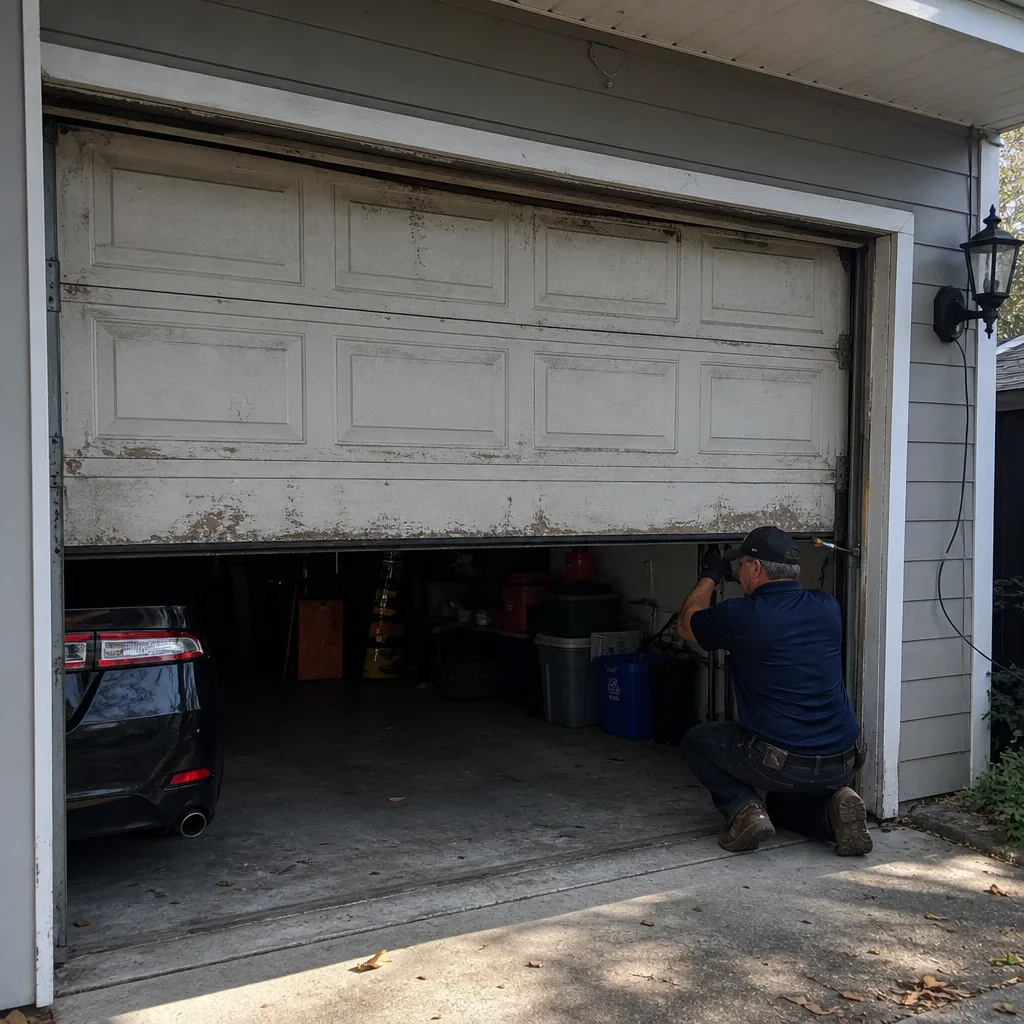 Before
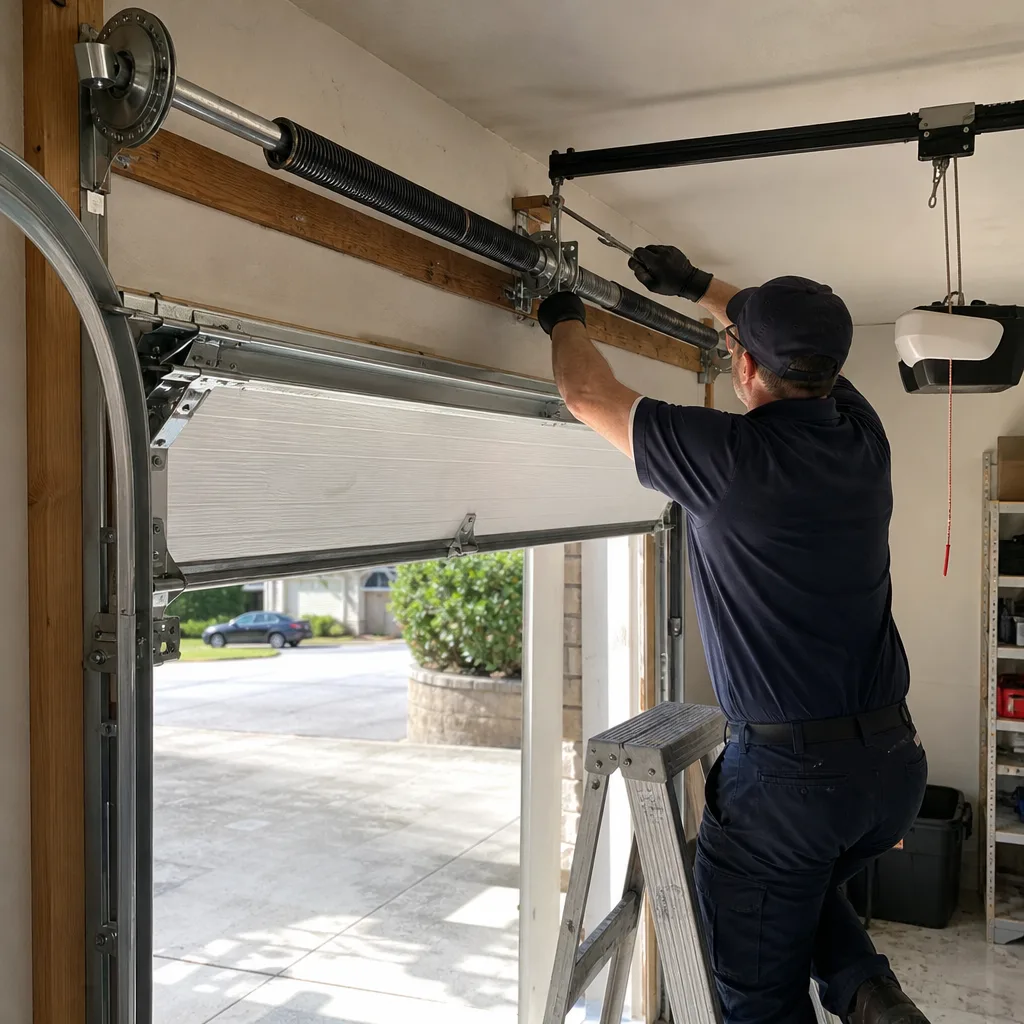 After
After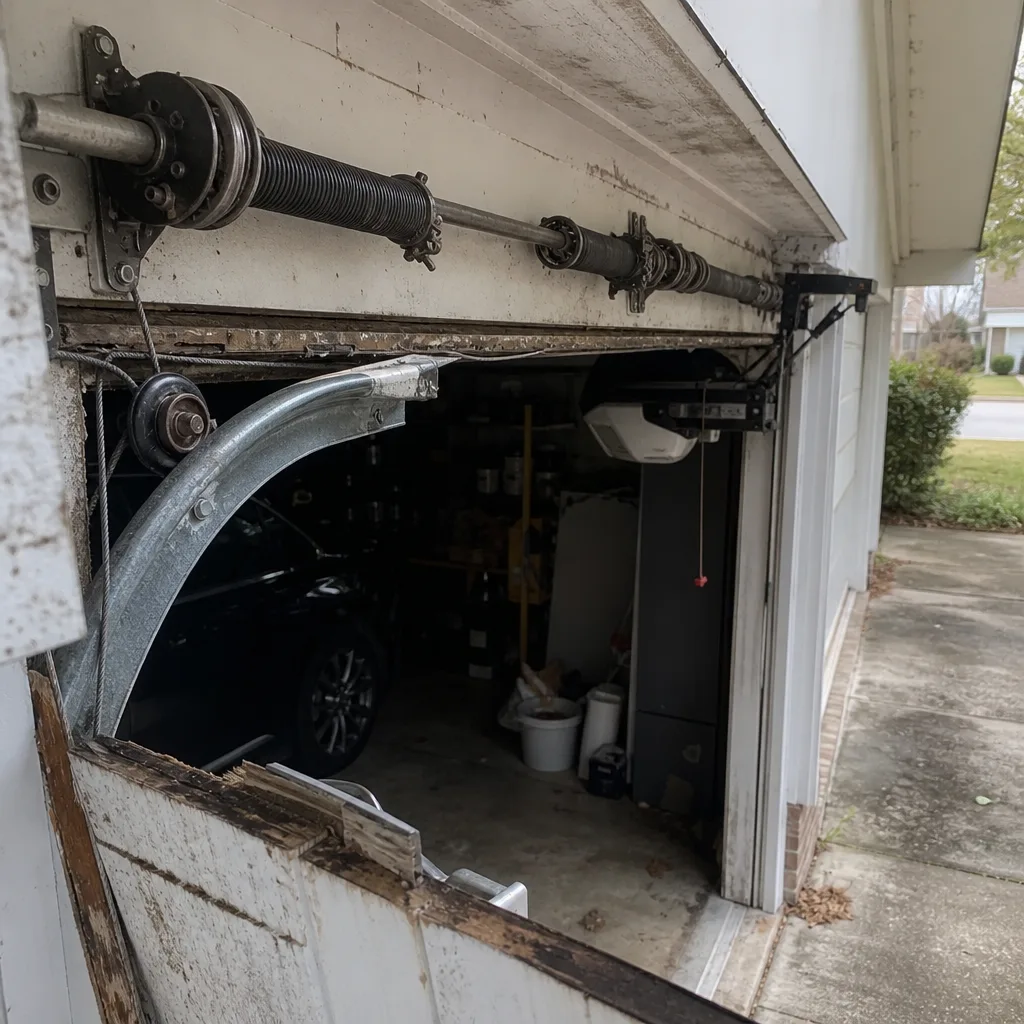 Before
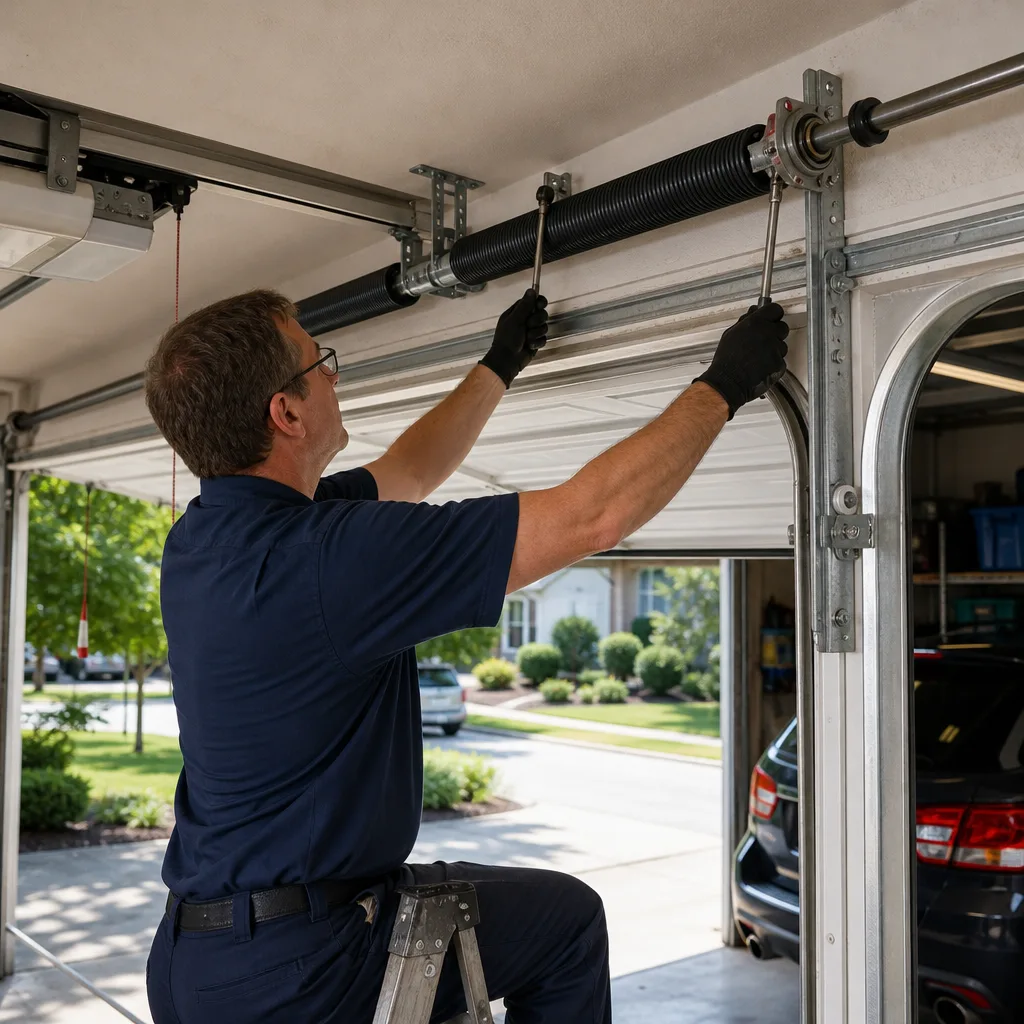 After
AfterFrequently Asked Questions
In most cases, a same-size replacement of an existing door in the City of Atlanta and Fulton County is treated as a non-structural repair and skips the permit requirement, but any new installation, structural modification, or weight or wind-load change requires a building permit. Confirm with the City of Atlanta Department of City Planning before the work starts, because the classification depends on the specific door you choose. Call (762) 230-6145 and we’ll help you sort out the exact requirement for your address.
Building permit fees for garage door work around Atlanta generally run from about $50 to $300 depending on the county and the scope of the project, with retroactive permits often doubling the original fee. The inspection itself is usually included in the permit fee across Fulton, DeKalb, Cobb, and Gwinnett counties. For an exact number on both the permit and the door installation, call us for a free quote.
You risk an insurance claim denial if the unpermitted door fails and causes damage or injury, a delayed home sale when a title search or buyer’s inspection uncovers the missing permit, or a county notice requiring a retroactive permit, which often costs more and may involve opening finished walls to inspect the framing. The severity depends on the county and the nature of the work, which is why we never skip the check before structural work starts.
Many Atlanta-area HOAs, particularly in larger subdivisions in East Cobb, Brookhaven, Roswell, and Forsyth County, require a separate architectural review and approval before a garage door is replaced, and their standards for color, material, and style often exceed what the county requires. Your HOA covenants are your first stop before you choose a door, and local review windows commonly run two to six weeks. We can walk you through your neighborhood’s specific requirements during a free estimate.
No, replacing an opener unit itself doesn’t require a permit when the electrical connection stays exactly where it was, but adding a new circuit, moving an outlet, or hardwiring an opener can trigger an electrical permit in most metro counties. We service LiftMaster, Chamberlain, Genie, Craftsman, Raynor, and other major brands, and we’ll tell you straight if your opener swap involves anything that needs a permit.
A straightforward permit and inspection cycle in the Atlanta metro typically takes five to fifteen business days from application to final sign-off, with plan review as the biggest variable depending on the county’s current workload. HOA approval, where required, can add another two to six weeks on top of that. We submit applications the day we agree on a door spec to keep the clock running as quickly as any contractor can.
The Bottom Line
Georgia’s permit rules around garage doors come down to one dividing line: repairs on the existing door are typically fine without a permit, but new installations, structural changes, and significant weight or wind-load upgrades usually aren’t. Around Atlanta, the county you live in determines the specifics, and the HOA can add rules on top of the county. The insurance risk and resale risk of unpermitted work are real and growing, which is why a contractor who hands you a permit number and a final inspection record is worth more than one who waves the whole topic off. Verify everything, keep the paperwork, and call (762) 230-6145 if you want a straight answer about your specific door.
Written by Jaylen Ross, Owner at Marlow Garage Door Repair Atlanta, serving Atlanta since 2002.